Blocked tear duct in adults: symptoms and treatment
Persistent watery eyes? You may have a blocked tear duct. Learn about the causes and how a specialist can restore normal drainage.
Start with a consultation to understand your condition and options.
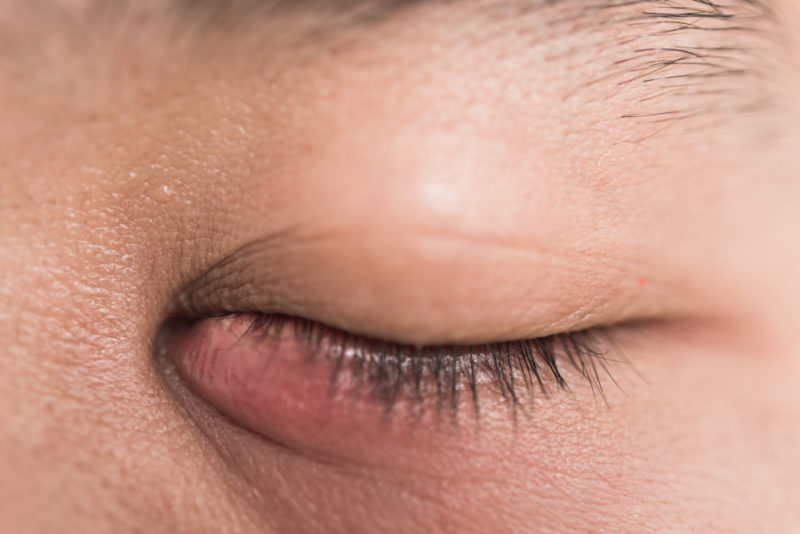
What is a blocked tear duct?
A blocked tear duct occurs when the natural drainage pathway for tears is narrowed or obstructed. This leads to tears being unable to drain into the nose, causing them to pool on the eye and overflow onto the cheeks.
Causes of a tear duct blockage
- Aging: Gradual narrowing of the drainage system over time.
- Infection: Chronic inflammation or recurrent infections can lead to scarring and blockage.
- Injury: Trauma to the nose or eye area can damage the delicate drainage structures.
- Tumours: Very rarely, growths in the nasal or orbital area can cause obstruction.
When to worry about a blocked tear duct
While a blocked tear duct is often just a nuisance, it can lead to more serious problems if the pooled tears become infected.
Seek a consultation if you experience:
- Recurrent “pink eye” or discharge.
- A painful, red lump near the corner of your eye (dacryocystitis).
- Constant blurring of vision due to the tear film.
- Bloody discharge from the tear duct area.
Dr Faz is an expert in lacrimal surgery and can perform diagnostic tests to find the exact location of the blockage. She offers a range of treatments, from minimally invasive probing to DCR surgery to create a new drainage path.
When to seek specialist review
If you experience painful swelling or recurrent infections near the corner of the eye, a specialist review is necessary to prevent further complications.
Frequently Asked Questions
What happens during a consultation for Blocked tear duct in adults: symptoms and treatment?
Is surgery always required?
How long is the recovery time?
Expert care for Blocked tear duct in adults: symptoms and treatment
Consult Dr Faz — Consultant Ophthalmologist & Oculoplastic Surgeon, approved in Malaysia for functional & reconstructive eye procedures (LCP Chapter 3)