Droopy eyelid (ptosis): when should you be concerned?
Is your upper eyelid sagging? Learn what causes a droopy eyelid and why some cases need specialist attention.
Start with a consultation to understand your condition and options.
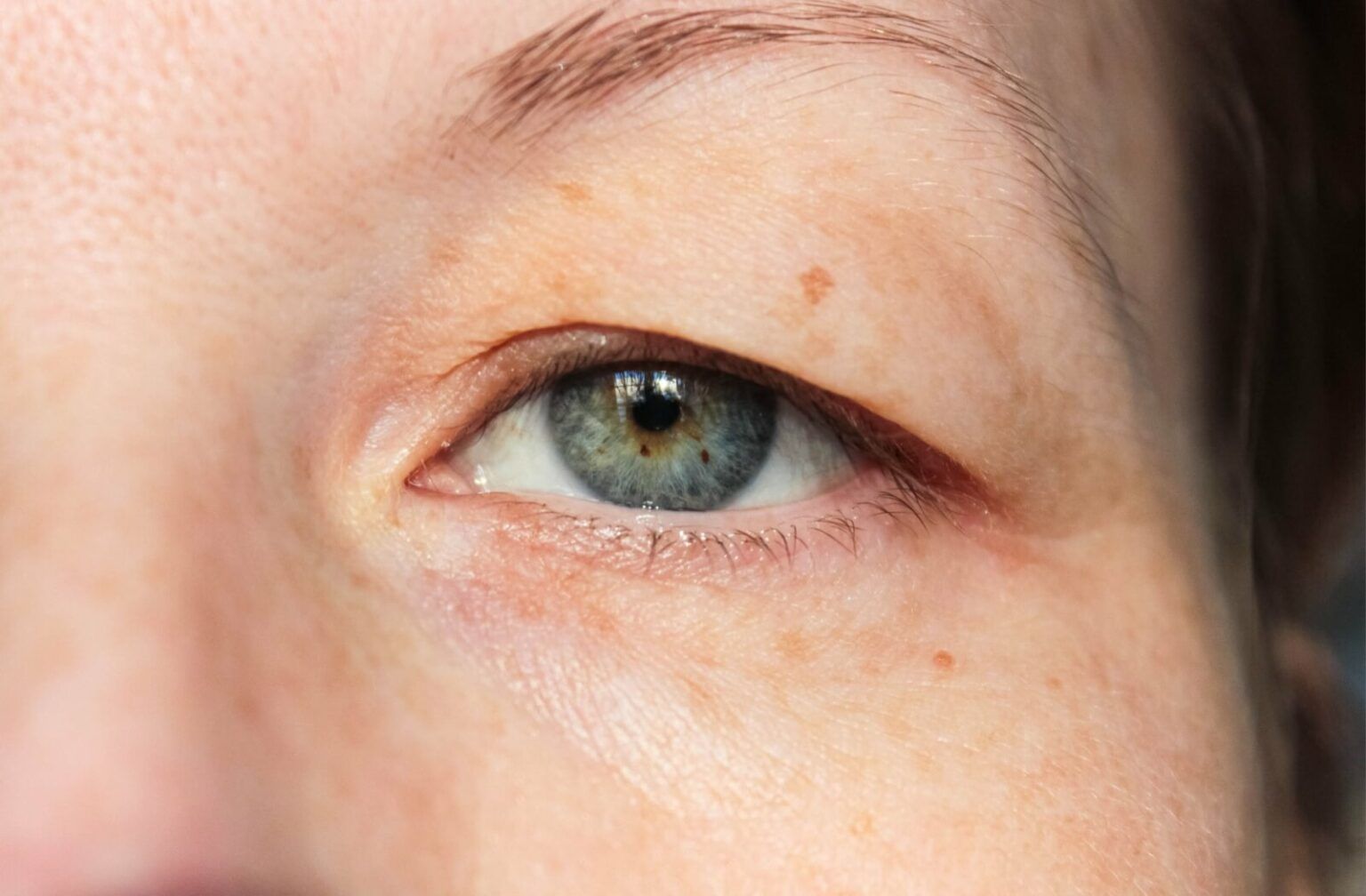
What is a droopy eyelid?
A droopy eyelid, medically known as ptosis (pronounced ‘toe-sis’), is when the upper eyelid falls to a lower position than normal. It can affect one eye or both and can happen gradually or suddenly.
Common causes of ptosis
- Age-related: The muscle that lifts the eyelid (levator muscle) stretches or detaches over time.
- Congenital: Some people are born with a weak levator muscle.
- Neurological: Conditions affecting the nerves that control the eyelid muscle.
- Injury or Trauma: Direct damage to the eye or eyelid.
When to worry about a droopy eyelid
While many cases are slowly progressive and age-related, some situations require urgent or specialist review.
Seek a consultation if you notice:
- The droop occurred suddenly (over hours or days).
- It is associated with double vision or pain.
- It is affecting your ability to see clearly.
- It is accompanied by a change in the size of your pupil.
Dr Faz is an expert in eyelid surgery (oculoplastics) and can assess whether your ptosis requires medical monitoring or surgical correction to restore your vision and appearance.
When to seek specialist review
If your eyelids are obstructing your vision or if the droop appears suddenly, a specialist consultation is recommended.
Frequently Asked Questions
What happens during a consultation for Droopy eyelid (ptosis): when should you be concerned??
Is surgery always required?
How long is the recovery time?
Expert care for Droopy eyelid (ptosis): when should you be concerned?
Consult Dr Faz — Consultant Ophthalmologist & Oculoplastic Surgeon, approved in Malaysia for functional & reconstructive eye procedures (LCP Chapter 3)